If you are comparing Main Line suburbs, Wayne often lands right in the middle of the conversation for a reason. You may want a true downtown, an easier commute, and a suburban setting that still feels connected and usable day to day. The good news is that Wayne offers a distinct balance that sets it apart from nearby options. Let’s break down how Wayne compares with other Main Line suburbs so you can narrow in on the best fit for your lifestyle.
Wayne's Main Line Position
Wayne is best understood as a village center within Radnor Township, not a standalone city-style downtown. It sits about 15 miles west of Philadelphia and has long been part of the broader Main Line conversation.
That framing matters when you compare it with nearby places. Wayne gives you a recognizable town center feel, but it is still tied to a larger suburban township structure. For many buyers, that creates a more balanced experience between convenience and breathing room.
Wayne's Housing Character
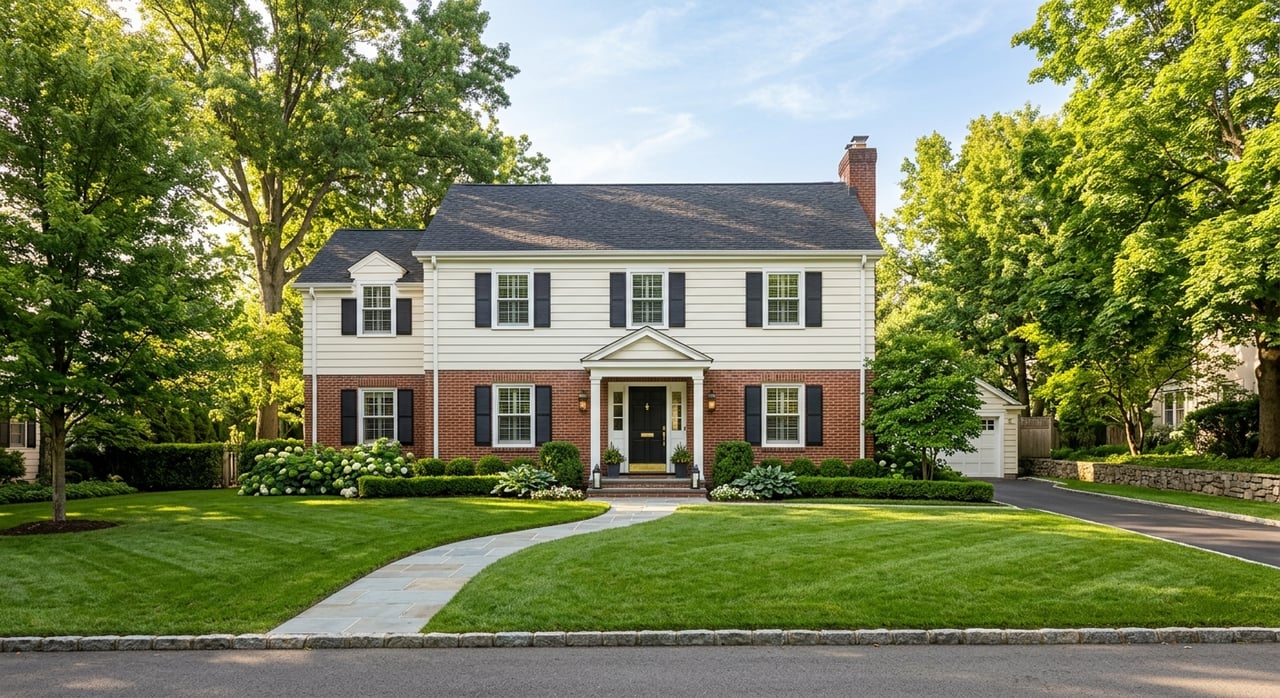
Wayne stands out for its established feel. Its housing story is shaped more by preservation and selective infill than by large-scale new development, which gives the area a layered, historic character.
Radnor Township's planning efforts connect Wayne to housing, historic preservation, open space, mobility, design, and land use. A recent example of change is the Bellevue lot redevelopment into 60 West, a 45-unit residential project, along with the West Avenue parking lot that added 108 downtown spaces.
For you as a buyer, that means Wayne may feel more curated and less cookie-cutter than suburbs built around newer subdivision growth. If you value an established market with a mix of older homes and targeted updates, Wayne may check a lot of boxes.
How Wayne Compares on Housing
Haverford Township is also largely built out, with most homes dating to the first half of the 20th century. Its housing mix includes single-family homes, twins, row houses, apartments, and condos, which gives it a broad residential base.
Narberth feels tighter and more compact. Its lot coverage rules reinforce a more built-out pattern, which can translate into a denser main-street setting and smaller-lot feel.
Ardmore and Bryn Mawr lean more heavily into their commercial centers. Compared with Wayne, they often read as busier town-center environments rather than a village core surrounded by a quieter suburban framework.
Commute and Transit in Wayne
For many buyers, commute options can make or break a suburb. Wayne performs well here because Wayne Station is just one block from downtown on SEPTA’s Paoli/Thorndale Line, and SEPTA Bus Route 106 also serves the center.
That setup makes it easy to combine rail access with everyday errands, dining, or a quick stop in town. You do not have to choose between a suburban feel and practical transit access.
Parking Adds Everyday Convenience
Parking is one of Wayne’s quieter advantages. Radnor’s downtown parking system includes multiple lots around Wayne, and parking is free after 6 p.m. and on Sundays.
That may sound like a small detail, but it can shape how often you actually use a downtown. Whether you are grabbing dinner, meeting someone for coffee, or running a quick errand, Wayne tends to feel workable instead of stressful.
Wayne Versus Ardmore, Bryn Mawr, and Narberth
Each Main Line suburb offers a different version of convenience. The biggest difference is not whether a place has transit or shops, but how intense or easy the whole experience feels.
Wayne vs. Ardmore
Ardmore offers the strongest transit package in this group. It combines the Paoli/Thorndale Line, several bus routes, and Amtrak Keystone Service, and its station has been rebuilt with elevators, ramps, and high-level platforms.
Ardmore is also one of the larger business districts in Lower Merion and sits next to Suburban Square. SEPTA describes it as a major dining, shopping, and nightlife destination on the Main Line, which gives it more regional draw and more commercial energy than Wayne.
If you want the busiest mix of retail, dining, and transit, Ardmore may be the stronger fit. If you want a downtown that still feels active but not as intense, Wayne often feels easier to live with day to day.
Wayne vs. Bryn Mawr
Bryn Mawr has a different transit profile. In addition to Regional Rail, it also has the Norristown High Speed Line and bus routes 105 and 106.
Its commercial base is broad, with national chains, specialty services, medical offices, and a historic pedestrian-oriented core. Compared with Wayne, Bryn Mawr can feel more layered and transit-connected, but also a bit more complex if you are looking for a simpler village-center experience.
Wayne vs. Narberth
Narberth is the most compact comparison point. It offers Regional Rail and Route 44, and it has a classic, self-contained main-street feel with independent shops.
Compared with Wayne, Narberth feels tighter and more built out. If you love a smaller, denser commuter village, Narberth may appeal to you. If you want a little more room around the edges while keeping a real downtown, Wayne often feels like the middle ground.
Wayne vs. Haverford
Haverford offers a more residential pattern overall. Its commercial areas tend to be more neighborhood-service oriented and less chain-heavy, with much of the parking supplied by retail property owners.
Wayne, by contrast, is more downtown-driven. If your priority is having a stronger central district where shopping and dining are part of everyday life, Wayne may feel more cohesive.
Downtown Feel and Lifestyle
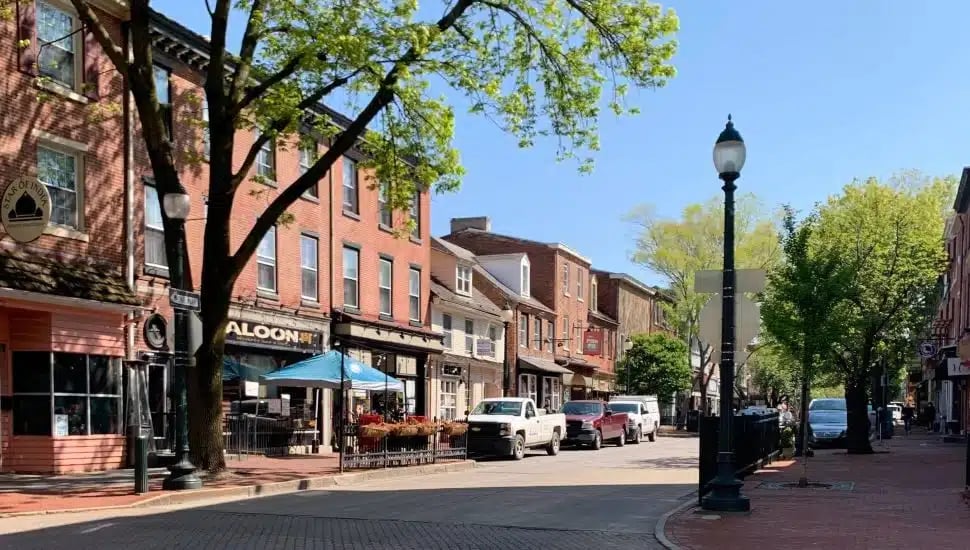
Wayne’s downtown identity is one of its biggest selling points. It is built around Restaurant Row, boutique retail, and a preserved historic core, and the area has long been associated with a mom-and-pop business character.
The Downtown Wayne Historic District was designated in 2012 and added to the National Register of Historic Places. That helps explain why Wayne feels established and intentional rather than newly assembled.
For you, the lifestyle takeaway is simple. Wayne gives you a town center that feels active and attractive without pushing into the busiest commercial energy found in some neighboring hubs.
Why Wayne Often Feels Like the Middle Ground
When you line up Wayne against other Main Line suburbs, a clear pattern shows up. Wayne is more historic and village-oriented than Ardmore, less compact than Narberth, less transit-complex than Bryn Mawr, and more downtown-focused than Haverford.
That combination makes it especially appealing if you want a real town center, rail access, and suburban convenience in one place. It tends to work well for relocating professionals, move-up buyers, and anyone who wants daily usability without the pace of a larger commercial district.
What to Consider as You Compare Suburbs
If you are deciding between Wayne and other Main Line communities, focus on how you want your daily life to feel. The right fit is not just about price point or commute time. It is also about how often you want to use downtown, how much activity you enjoy, and whether you prefer a compact setting or a bit more space.
A few helpful questions to ask yourself include:
- Do you want a village-style downtown or a larger commercial hub?
- How important is direct rail access to your routine?
- Do you prefer a more historic, established setting or a busier mixed-use center?
- Will parking convenience affect how often you use local shops and restaurants?
- Are you looking for a quieter suburban framework around downtown activity?
Answering those questions can make the comparison much clearer.
If you are exploring Wayne or weighing it against nearby suburbs, working with someone who knows the area can save you time and second-guessing. Matthew Hutton offers clear, local guidance to help you compare communities, understand the market, and move forward with confidence.
FAQs
How does Wayne compare with Ardmore on the Main Line?
- Wayne generally feels more village-oriented and less commercially intense, while Ardmore offers a bigger business district, stronger transit options, and a busier shopping and dining scene.
How does Wayne compare with Bryn Mawr for commuting?
- Wayne offers straightforward access through Wayne Station on the Paoli/Thorndale Line and Bus Route 106, while Bryn Mawr has a more complex transit mix that includes Regional Rail, the Norristown High Speed Line, and bus service.
How does Wayne compare with Narberth in overall feel?
- Wayne is less compact and more spread out around its downtown core, while Narberth has a tighter, more self-contained commuter village feel.
How does Wayne compare with Haverford for daily lifestyle?
- Wayne is more downtown-driven, with a stronger central shopping and dining district, while Haverford is generally more residential with more neighborhood-service-oriented commercial areas.
What makes Wayne stand out among Main Line suburbs?
- Wayne stands out for its balance of historic character, a usable downtown, rail access, and suburban convenience without the busiest commercial energy found in some nearby Main Line centers.