If you are thinking about selling in Newtown Square, confidence does not come from guessing what the market might do next. It comes from knowing how to prepare, where to price, and how to respond when offers start coming in. In a market where buyers are selective and presentation matters, the right plan can help you move forward with less stress and better results. Let’s dive in.
Know the Newtown Square market
Newtown Square is not acting like a runaway seller’s market right now. In March 2026, Realtor.com reported a median listing price of $817,000, a median 26 days on market, and a 98% sale-to-list ratio, while labeling the market balanced.
That matters because a balanced market usually rewards strategy over optimism. Buyers still make strong offers for well-prepared homes, but they are also more likely to pause, compare options, and push back on homes that feel overpriced or unfinished.
It also helps to keep different data points in context. Zillow’s April 30, 2026 snapshot showed a typical home value of $783,451 in Newtown Square, up 3.8% year over year, with 30 homes for sale. Listing price trends and home value estimates can both be useful, but they are not the same thing.
Compared with the wider county, Newtown Square looks like a more selective, higher-priced pocket. Redfin reported a Delaware County median sale price of $349,025 and 32 days on market for the three months ending April 2026, which helps show why local pricing and positioning matter so much here.
Start with pre-list preparation
If you want a smoother sale, start before your home hits the market. One of the smartest first steps in Pennsylvania is a pre-list walk-through using the state seller disclosure categories as your checklist.
Pennsylvania’s Seller Property Disclosure Law requires sellers to disclose known material defects before signing the transfer agreement. The disclosure form covers issues such as the roof, basement or crawl spaces, pests, structural concerns, remodeling, plumbing, HVAC, electrical, water and sewage systems, drainage, boundaries, hazardous substances, HOA matters, and title or legal issues.
You do not have to investigate every item from scratch. But you cannot make false or misleading statements, and you must update the buyer if something changes before settlement. That is one reason early problem-solving can make the whole process feel more manageable.
For many sellers, this is where confidence begins. When you know what shape your home is in, you can decide what to repair, what to disclose clearly, and how to avoid last-minute surprises during negotiations.
Focus on what buyers see first
In a market like Newtown Square, not every update needs to be major. The most useful prep work is often the work that improves first impressions quickly and clearly.
A 2025 staging survey found that buyers respond most to the living room, primary bedroom, kitchen, and dining room. Buyers’ agents also said staging helps buyers visualize the home, can improve offered value, and can reduce time on market.
That is why many sellers get the best return from practical improvements such as:
- Decluttering rooms and storage areas
- Deep cleaning the entire home
- Touching up paint where walls look worn
- Brightening lighting in darker spaces
- Simplifying furniture layouts for better flow
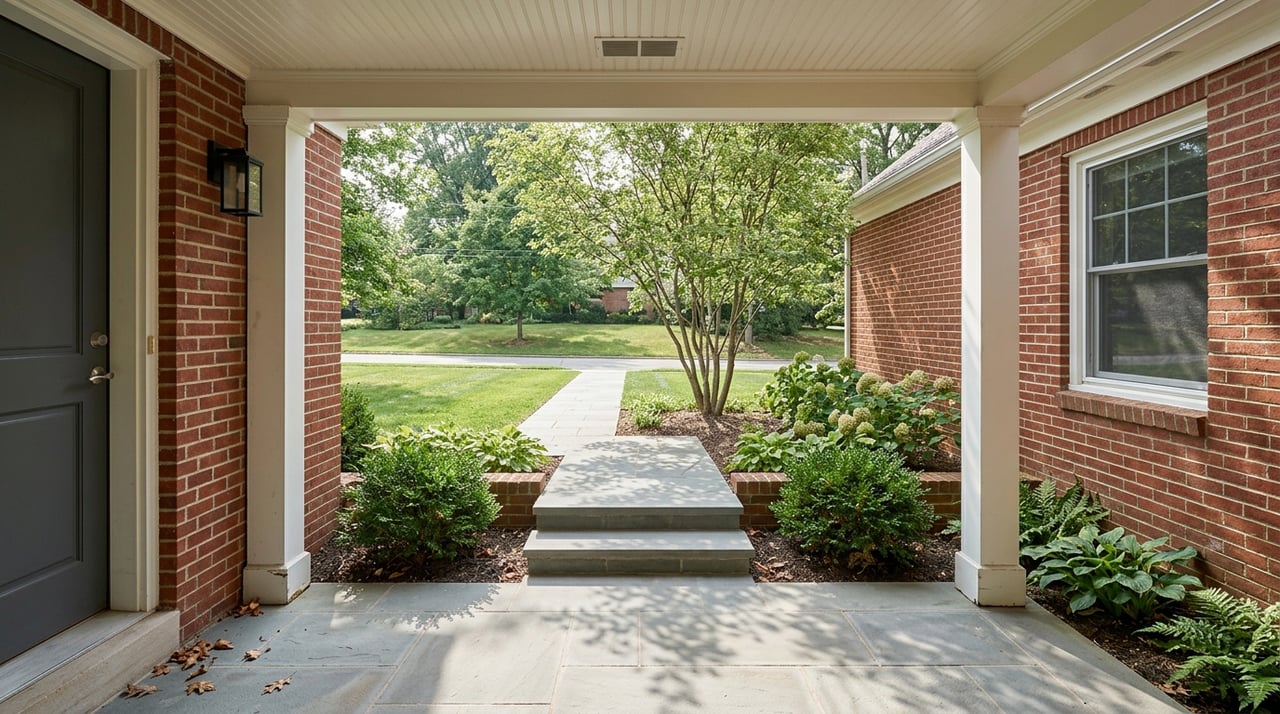
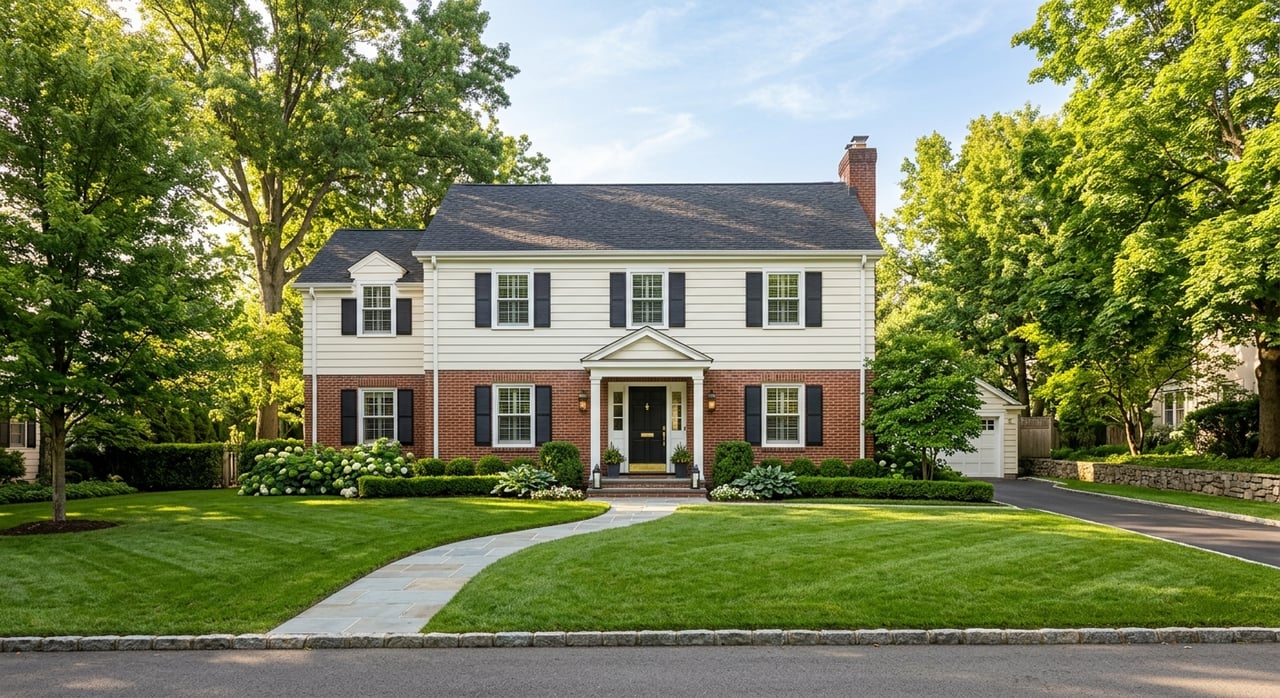
- Improving curb appeal at the front entry and yard
Photos and marketing visuals also matter. Buyers’ agents rated photos, physical staging, videos, and virtual tours as highly important, so your home needs to look clean, bright, and easy to understand both online and in person.
Price for the market you have
Pricing is one of the biggest confidence builders because it shapes everything that comes next. In Newtown Square, where homes sold at about 98% of list price on average and took 26 days on market, the strongest strategy is usually to price from recent closed comparable sales rather than aim for a best-case number.
In a balanced market, overpricing often creates more risk than reward. A home that sits too long can lose momentum, invite low offers, or lead buyers to wonder what they are missing.
That does not mean pricing low without a plan. It means using the most relevant recent sales, current competition, your home’s condition, and your launch strategy to arrive at a number that feels credible to buyers from day one.
Why realistic pricing protects your leverage
When buyers see a home that feels aligned with the market, they are more likely to book showings quickly and make serious offers. That early activity can help preserve your negotiating position.
When a price feels detached from recent sales, buyers may wait to see if the price drops. In higher-price segments especially, that delay can cost you valuable momentum.
Choose timing with care
Many sellers ask when they should list. Nationally, Realtor.com’s 2026 Best Week to Sell report identified April 12 through 18 as the strongest week to list, citing stronger prices, more views, less competition, and faster sales.
But the same report also noted that real estate is local. Condition, pricing, and presentation usually matter more than speed alone.
For Newtown Square, spring can be a strong launch window, but only if your home is fully market-ready before it goes live. If you rush to market before the home is clean, photographed well, and priced correctly, you can waste the very attention you hoped to capture.
Prepare for offers beyond price
A strong offer is not always the highest number on paper. To sell with confidence, you need to look at the full offer structure and how each term affects your timing, risk, and flexibility.
Common contract items can include financing, appraisal, inspection, home-sale, home-close, title, HOA, early move-in, rent-back, continue-to-show, and kick-out provisions. Each one can shape how secure the deal really is.
Review contingencies carefully
Financing and appraisal contingencies are especially important because lenders generally will not finance above appraised value. If the appraisal comes in low, that can trigger renegotiation unless the buyer has the cash and willingness to close the gap.
Inspection contingencies also deserve close attention. Buyers may ask for repairs or credits after the inspection, and larger issues can become more complicated if a lender requires certain work to be completed before closing.
If a buyer needs to sell their current home first, a home-sale contingency can add uncertainty. In that situation, terms like a kick-out clause and continued showings may help preserve your leverage while still keeping the deal together.
Think about your next move
If you are also buying another home, timing matters just as much as price. Rent-back options and flexible closing dates can be very useful because they help bridge the gap between selling your current home and moving into your next one.
For move-up sellers especially, these details can make daily life much easier. A smooth transition often comes from planning the calendar early, not trying to solve it after the agreement is signed.
Stay ahead of inspections and disclosures
One of the best ways to feel calm during escrow is to expect the buyer’s concerns before they arrive. That means reviewing likely inspection issues early and understanding what you will need to disclose.
In Pennsylvania, your seller disclosure should be complete and accurate based on what you know. If your home is older, there may be another layer to address as well.
For most homes built before 1978, federal lead-disclosure rules require sellers to provide any known lead-hazard information, available records, a lead warning statement, and an opportunity for the buyer to conduct a lead inspection unless that opportunity is waived. If your home falls into that category, it is smart to gather those materials early.
The goal is not perfection. The goal is clarity. When you are organized and upfront, negotiations tend to feel more straightforward and less reactive.
Confidence comes from a clear plan
Selling your Newtown Square home with confidence is usually less about chasing the perfect market headline and more about controlling the details you can control. Clean presentation, realistic pricing, thoughtful timing, and steady negotiation all work together.
If you want the process to feel simpler, it helps to work with someone who can spot issues early, explain each step clearly, and keep the plan moving. That kind of guidance can make a big difference in a balanced market where every decision counts.
When you are ready to build a selling strategy for your Newtown Square home, Matthew Hutton can help you prepare, price, and negotiate with clarity from consultation through closing.
FAQs
How is the Newtown Square housing market for sellers?
- Newtown Square appears to be a balanced market, with Realtor.com reporting a median listing price of $817,000, 26 days on market, and a 98% sale-to-list ratio in March 2026.
What should sellers do before listing a home in Newtown Square?
- A strong starting point is a pre-list walk-through based on Pennsylvania’s seller disclosure categories, followed by practical prep such as decluttering, deep cleaning, touch-up paint, improved lighting, and curb appeal work.
How should a Newtown Square home be priced?
- In this market, pricing should be based on recent closed comparable sales, current competition, and your home’s condition rather than an aspirational top-end number.
Which rooms matter most when staging a home for sale?
- Staging efforts are often most effective in the living room, primary bedroom, kitchen, and dining room, according to the 2025 staging survey cited in the research.
What offer terms should Newtown Square sellers review carefully?
- Sellers should look beyond price and review contingencies related to financing, appraisal, inspection, home sale, title, HOA terms, rent-back needs, and closing flexibility.
Do Pennsylvania home sellers need to complete disclosures?
- Yes. Pennsylvania sellers must disclose known material defects before signing the transfer agreement and must update the buyer if the disclosure becomes inaccurate before settlement.
Do older homes in Newtown Square need lead disclosures?
- For most homes built before 1978, sellers must provide known lead-hazard information, available records, a lead warning statement, and a lead inspection opportunity unless it is waived by the buyer.