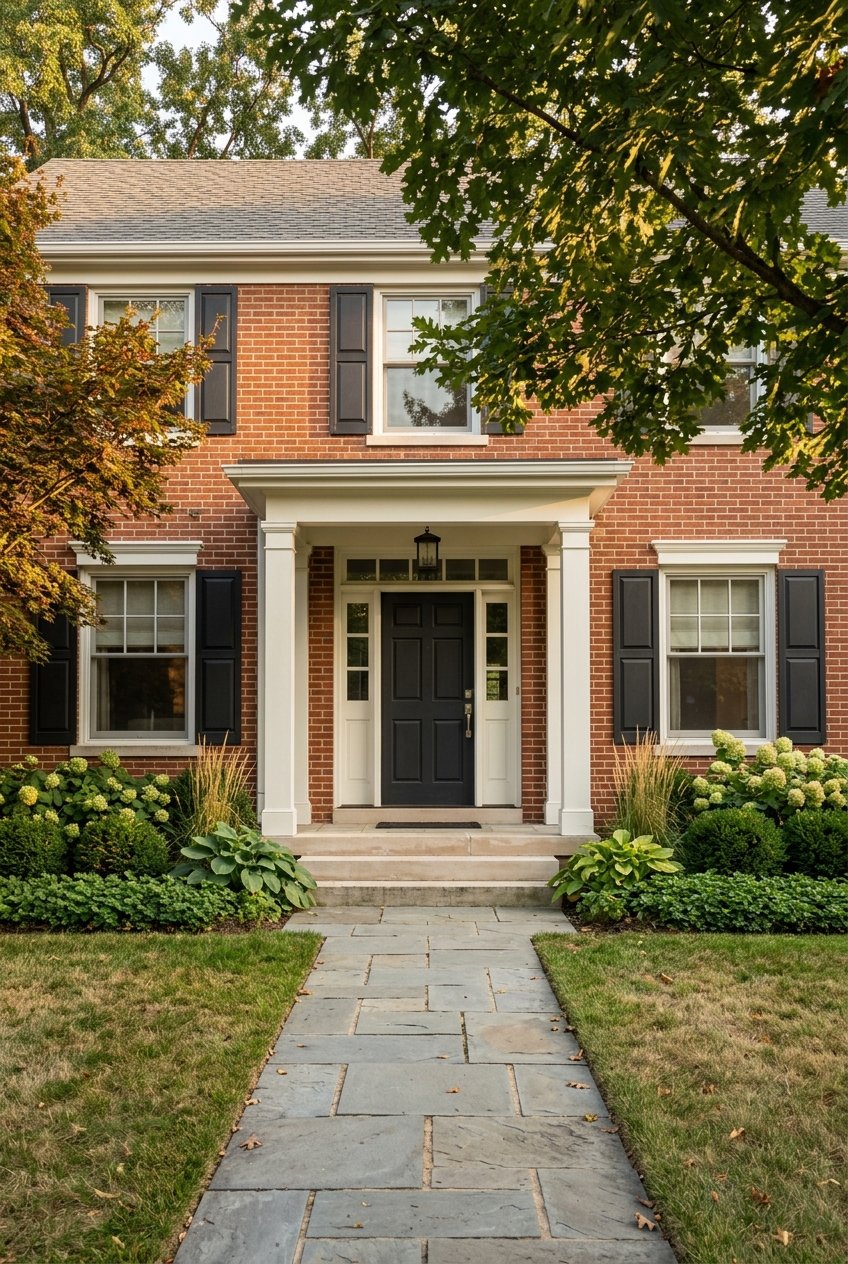
Ever wonder why Bryn Mawr stands out even in a region full of well-known suburban communities? If you are thinking about moving to the Main Line, this village often catches your eye because it blends a walkable town center, historic character, and easy access to Philadelphia. The good news is that Bryn Mawr offers a lifestyle that feels both connected and comfortably established. Let’s dive in.
Bryn Mawr Feels Like a Real Village
One of the first things you notice about Bryn Mawr is that it feels like more than a ZIP code. Lower Merion Township describes itself as a collection of smaller neighborhoods, and Bryn Mawr has one of the strongest local identities among them. People often say they live in Bryn Mawr, not just Lower Merion, which says a lot about the area’s sense of place.
That identity comes from more than just the name. Bryn Mawr is one of Lower Merion’s major commercial districts, so it functions as both a residential neighborhood and a local destination. In everyday life, that means you get a town-center feel instead of a purely residential suburb.
The Setting Balances Suburban and City Access
Bryn Mawr sits in Lower Merion Township, which the township describes as a first-ring suburban community bordering Philadelphia. That location shapes the lifestyle in a practical way. You can enjoy a suburban setting without feeling far removed from the city.
For many buyers, that balance is a major draw. If you want mature streetscapes, local shops, and access to Center City, Bryn Mawr gives you all three. It feels established and residential, but not isolated.
Walkability Centers on Lancaster Avenue
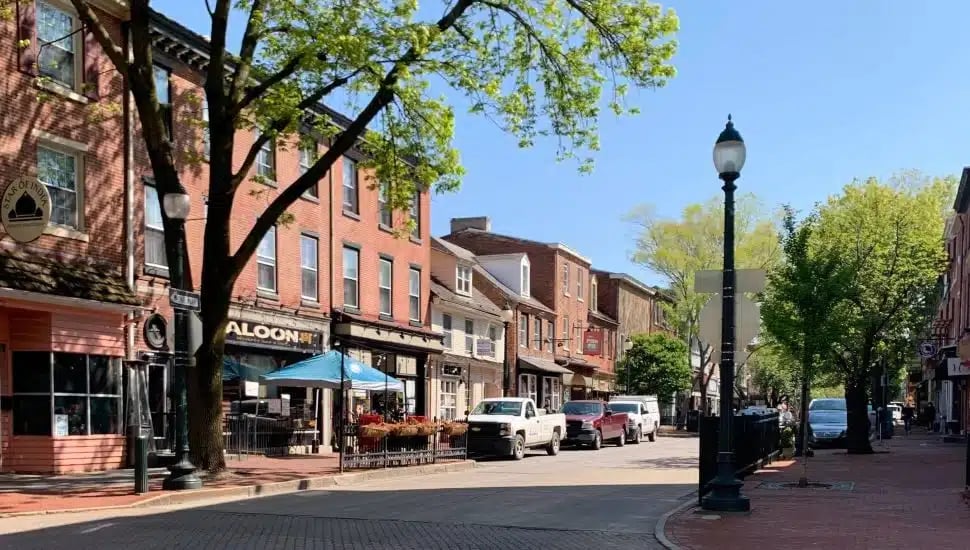
If you like being able to step out for coffee, dinner, or a movie without making every errand a car trip, Bryn Mawr has a lot going for it. Lower Merion describes the business district as historic and pedestrian-oriented, and the walkable core is centered around Lancaster Avenue. This is the part of Bryn Mawr that gives the area much of its energy.
Bryn Mawr Film Institute places itself in the center of the village and notes that dozens of restaurants and shops are within walking distance. Bryn Mawr College also points visitors downtown for food and fun. So while Bryn Mawr is suburban, its village core offers a more connected day-to-day experience than many nearby communities.
Dining Is Compact but Varied
Bryn Mawr is not trying to be the biggest dining scene in the region, and that is part of its appeal. The downtown footprint is compact, which makes it easy to get familiar with your go-to spots. You are not dealing with a huge entertainment district spread across miles.
Local dining options highlighted by Bryn Mawr College include Otto by Polpo, Tiffin, Sushiland, Pho Street, Xolo Tacos, Gullifty’s, and Hope’s Cookies. That mix points to a range of casual meals, sweets, and easy takeout options. For many residents, it is enough variety to keep daily life convenient while still feeling local.
Transit Is One of Bryn Mawr’s Biggest Strengths
For commuters and anyone who values flexibility, transit is a real advantage here. SEPTA’s Paoli/Thorndale line includes Bryn Mawr, with service to major Center City stops like 30th Street Station, Suburban Station, Jefferson Station, and Temple University. That gives you a direct connection into Philadelphia without needing to drive the entire trip.
Bryn Mawr Film Institute also notes that the neighborhood is two blocks from the Regional Rail station, five blocks from the Norristown High Speed Line, and served by Route 105 and 106 bus lines. In practical terms, Bryn Mawr gives you multiple ways to move around the region. That is one reason it appeals to both daily commuters and buyers who simply want options.
Homes Have History and Character
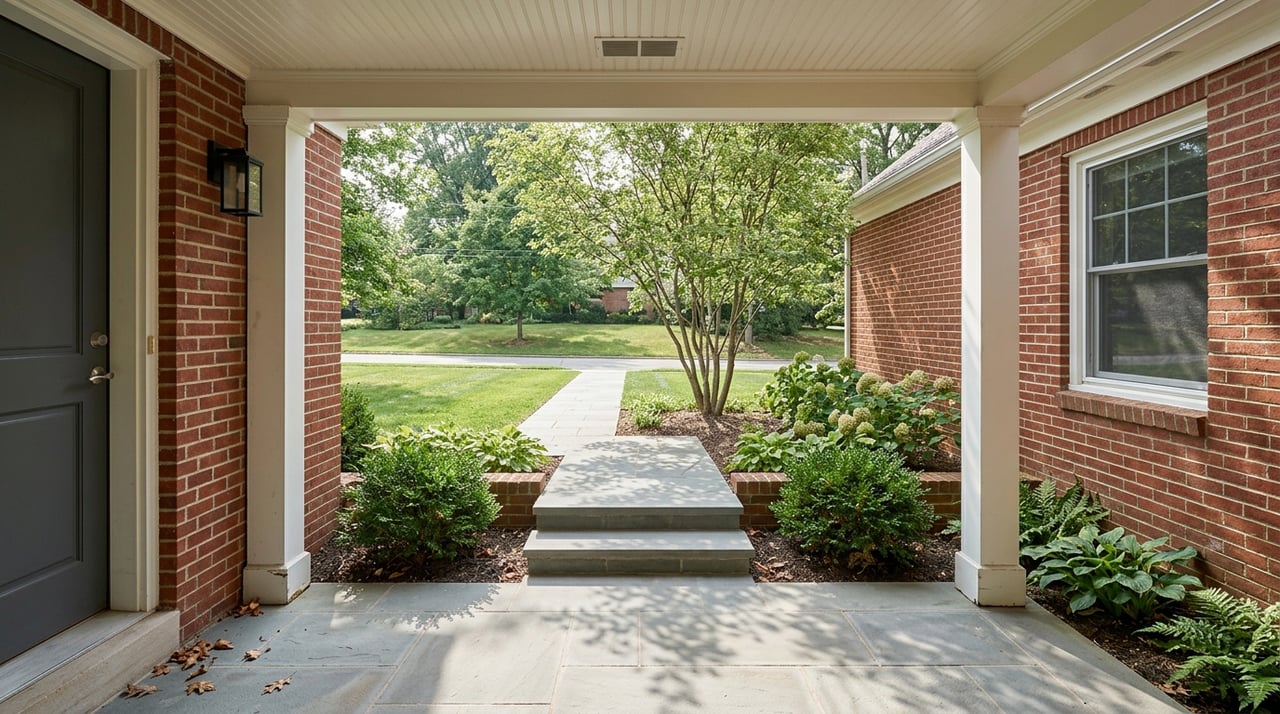
If newer tract developments are not your style, Bryn Mawr may feel refreshing. Lower Merion’s community profile ties the area to rail-era suburban growth and points to a landscape shaped by country estates and larger homes. That history still shows up in the neighborhood’s look and feel.
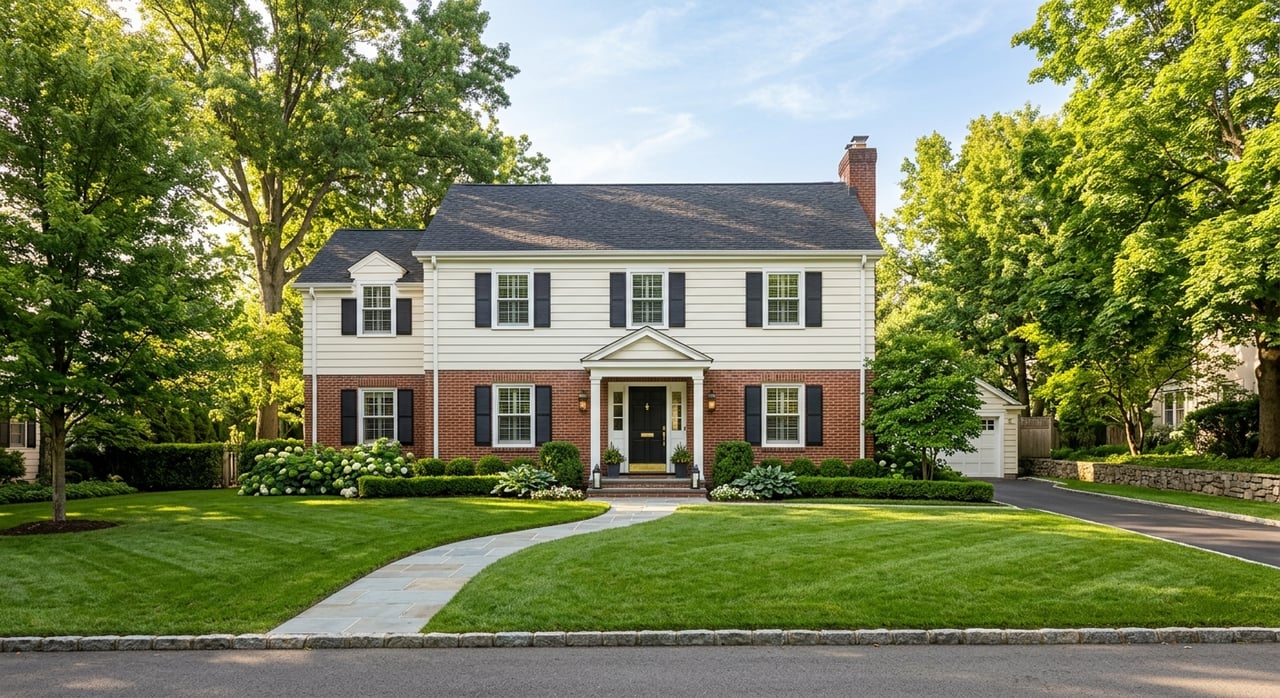
The broader Bryn Mawr area includes a wide range of historic architecture, from Collegiate Gothic to Colonial Revival, Tudor, Georgian Revival, and other estate-era styles. Stone buildings and architecturally distinctive homes are part of the local identity. That does not mean every house is grand or formal, but it does mean the housing stock often feels more visually varied and established than what you see in newer subdivisions.
The College Shapes Everyday Life
Bryn Mawr College is one of the biggest reasons the area has such a distinct personality. The college says it was founded in 1885 and remains a small residential community with more than 130 student clubs, arts programming, cultural events, and a cooperative relationship with Haverford College. Its presence gives the village an academic and cultural anchor.
The campus also contributes to the neighborhood visually. Bryn Mawr College describes its grounds as featuring pioneering American Collegiate Gothic architecture, and Lower Merion notes that the campus was designed by Frederick Law Olmsted and Calvert Vaux. Because the campus is open to bicyclists and pedestrians, it feels like part of the wider neighborhood instead of a separate world.
Arts and Culture Feel Built In
Many suburban communities have parks and restaurants, but fewer have a strong year-round cultural rhythm. Bryn Mawr Film Institute helps fill that role here. It is a nonprofit movie theater and film education center housed in a restored 1926 theater, which adds character as well as programming.
That cultural layer makes a difference in daily life. Combined with the college’s public events, arts, athletics, and visiting scholars, Bryn Mawr feels intellectually active in a way that is unusual for a suburban village. If you like living somewhere with more going on than just errands and commuting, that can be a meaningful plus.
Green Space Is Part of the Lifestyle
Bryn Mawr is not all buildings and business district sidewalks. Lower Merion says its park system includes both passive and active recreation, and the Bryn Mawr community center adds practical local amenities like tennis courts, a tot playground, a gazebo, green space, a perennial garden, and meeting rooms. These are the kinds of everyday features that make a neighborhood easier to enjoy close to home.
There is also a quieter natural side to the area. Harriton Preserve protects roughly 9 acres of green space in the heart of Bryn Mawr, and the Bryn Mawr College campus is open for walking and biking. Together, those spaces help balance out the village center with room to slow down.
What Daily Life Often Feels Like
Living in Bryn Mawr often means having a few different lifestyle pieces working together at once. You may spend part of your day in a walkable commercial district, use transit to get into Philadelphia, and come home to a street lined with mature trees and older homes. That mix is a big part of the appeal.
In many ways, Bryn Mawr feels like a town center wrapped by established residential neighborhoods. It is not a brand-new planned development, and it does not read like a generic suburb. Instead, it offers a more layered experience shaped by history, architecture, institutions, and convenience.
Who Bryn Mawr May Suit Best
Bryn Mawr can appeal to different kinds of buyers for different reasons. If you are relocating and want a suburb with easier regional access, the transit connections stand out. If you care about character and a more established setting, the architecture and village feel may be the bigger draw.
It can also make sense if you want amenities nearby without giving up a residential atmosphere. Restaurants, cultural venues, green space, and community facilities are all part of the picture here. For buyers who want a suburb that feels rooted and connected, Bryn Mawr offers a distinct option on the Main Line.
What To Keep in Mind as You Explore
Like any neighborhood, Bryn Mawr is best understood block by block and home by home. Some parts feel closer to the village core and transit, while others feel quieter and more residential. Your experience will depend a lot on the type of home you want and how you plan to use the area day to day.
That is why it helps to look beyond a map. When you tour Bryn Mawr, pay attention to how close you are to Lancaster Avenue, transit, green space, and the kinds of homes that fit your style. The right fit usually comes down to matching the neighborhood’s strengths with your priorities.
If you are thinking about buying or selling in Bryn Mawr or anywhere in the Philadelphia suburbs, Matthew Hutton can help you make sense of your options with clear, practical guidance.
FAQs
What is Bryn Mawr known for?
- Bryn Mawr is known for its walkable village center, historic Main Line character, strong transit access, Bryn Mawr College, and a mix of residential streets and local businesses.
Is Bryn Mawr walkable for daily errands and dining?
- The most walkable part of Bryn Mawr is the Lancaster Avenue village core, where restaurants, shops, and Bryn Mawr Film Institute are clustered within a pedestrian-oriented downtown area.
Does Bryn Mawr have train access to Philadelphia?
- Yes. Bryn Mawr is on SEPTA’s Paoli/Thorndale line with access to major Center City stations, and it is also near the Norristown High Speed Line and local bus routes.
What kind of homes are common in Bryn Mawr?
- Bryn Mawr is known for older, architecturally varied homes and buildings tied to rail-era suburban growth, including stone homes and revival-style architecture rather than newer tract-style development.
Does Bryn Mawr have parks and green space?
- Yes. The area includes local recreation amenities at the Bryn Mawr community center, open campus space at Bryn Mawr College, and preserved green space at Harriton Preserve.
Is Bryn Mawr more urban or suburban?
- Bryn Mawr is suburban in setting, but its village center, transit options, and pedestrian-friendly commercial district give it a more connected and town-like feel than many typical suburbs.